Peptides & Training
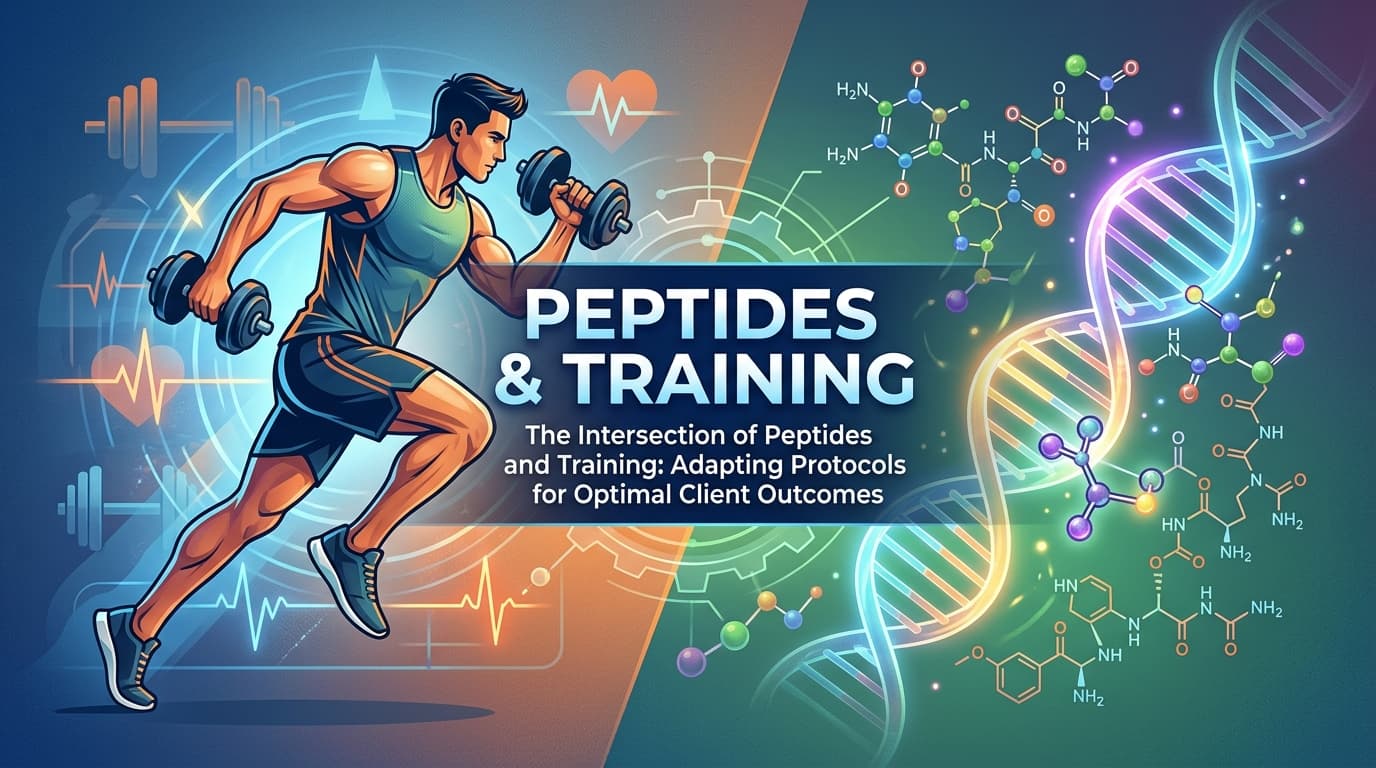
The Intersection of Peptides and Training: Adapting Protocols for Optimal Client Outcomes
The world of fitness and wellness is constantly evolving, with new trends and technologies emerging to help individuals achieve their health and performance goals. One such development is the increasing use of peptide therapy among individuals seeking to enhance their physique, improve their overall health, or address specific medical conditions. As a fitness professional, understanding how to adapt training protocols for clients on peptide therapy is crucial for maximizing their results and ensuring their safety.
Understanding Peptide Therapy
Peptide therapy involves the use of short-chain amino acids (peptides) to stimulate various physiological responses in the body. Different peptides have different effects, ranging from muscle growth and repair to fat loss and improved recovery. Some of the most commonly used peptides in the fitness community include growth hormone-releasing peptides (GHRPs), growth hormone secretagogues (GHS), and glucagon-like peptide-1 (GLP-1) receptor agonists.
For fitness professionals, it's essential to have a basic understanding of how these peptides work and their potential effects on the body. This knowledge will inform how you design and implement training protocols for clients on peptide therapy.
GLP-1 Receptor Agonists: A Special Consideration
GLP-1 receptor agonists, such as semaglutide, are a class of peptides that have gained significant attention for their role in weight management and glucose regulation. They work by mimicking the action of the naturally occurring hormone GLP-1, which is involved in glucose metabolism and appetite regulation. By activating GLP-1 receptors, these peptides can lead to reduced appetite, increased feelings of fullness, and improved glycemic control.
When working with clients on GLP-1 receptor agonists, it's crucial to consider the potential impacts on their training. These clients may experience reduced appetite and altered nutrient partitioning, which can affect their energy levels and recovery. Moreover, the potential for muscle loss if not enough protein is consumed is a concern that needs to be addressed through dietary planning and monitoring.
Adapting Training Protocols for Clients on Peptide Therapy
When designing training protocols for clients on peptide therapy, several factors must be considered, including exercise selection, intensity, and recovery strategies. Here's how to adapt your approach for optimal outcomes:
-
Exercise Selection: The choice of exercises should be tailored to the client's specific goals and the effects of the peptide therapy they're undergoing. For example, clients on GHRPs or GHS may benefit from more intense resistance training to capitalize on the potential for increased muscle growth and repair. In contrast, clients on GLP-1 receptor agonists may require adjustments in their training volume and intensity due to potential changes in body composition and energy levels.
-
Intensity and Volume: The intensity and volume of training should be adjusted based on the client's response to peptide therapy. For instance, if a client is experiencing enhanced recovery due to certain peptides, they may be able to handle a higher training volume. Conversely, if they're experiencing fatigue or other side effects, it may be necessary to reduce the intensity or volume of their workouts.
-
Recovery Considerations: Recovery is a critical component of any training program, and it's especially important for clients on peptide therapy. Ensuring adequate rest, nutrition, and hydration is vital. For clients on GLP-1 receptor agonists, monitoring their nutritional intake is crucial to prevent muscle loss and support overall health. Additionally, incorporating recovery techniques such as stretching, foam rolling, and contrast water therapy can be beneficial.
-
Progress Monitoring and Adjustments: Regular monitoring of the client's progress is essential. This includes tracking their training performance, body composition changes, and any side effects they're experiencing. Based on this information, adjustments can be made to their training protocol to optimize their outcomes.
-
Collaboration with Healthcare Providers: It's also important to work closely with the client's healthcare provider to ensure that their training protocol is aligned with their overall health and peptide therapy regimen. This collaboration can provide valuable insights into the client's health status and help in making informed decisions about their training.
Best Practices for Training Clients on Peptide Therapy
-
Educate Yourself: Stay informed about the peptides your clients are using, their mechanisms of action, and their potential effects on the body.
-
Personalize Training Protocols: Tailor training programs to the individual client's needs, goals, and response to peptide therapy.
-
Focus on Recovery: Emphasize the importance of recovery and provide guidance on nutrition, rest, and recovery techniques.
-
Monitor Progress Closely: Regularly assess the client's progress and adjust their training protocol as needed.
-
Collaborate with Healthcare Professionals: Work with the client's healthcare provider to ensure a comprehensive approach to their health and fitness.
By understanding the effects of peptide therapy and adapting training protocols accordingly, fitness professionals can help their clients achieve optimal outcomes and maximize the benefits of their peptide therapy regimen. As the use of peptides continues to evolve, staying informed and adaptable will be key to providing the best possible support for clients on
EvoFit Team
AI-powered fitness science, nutrition research, and coaching strategies for the modern fitness professional.