Health & Longevity
Unlocking the Secrets of Biological Aging: A Deep Dive into Telomere Biology and Longevity Peptides
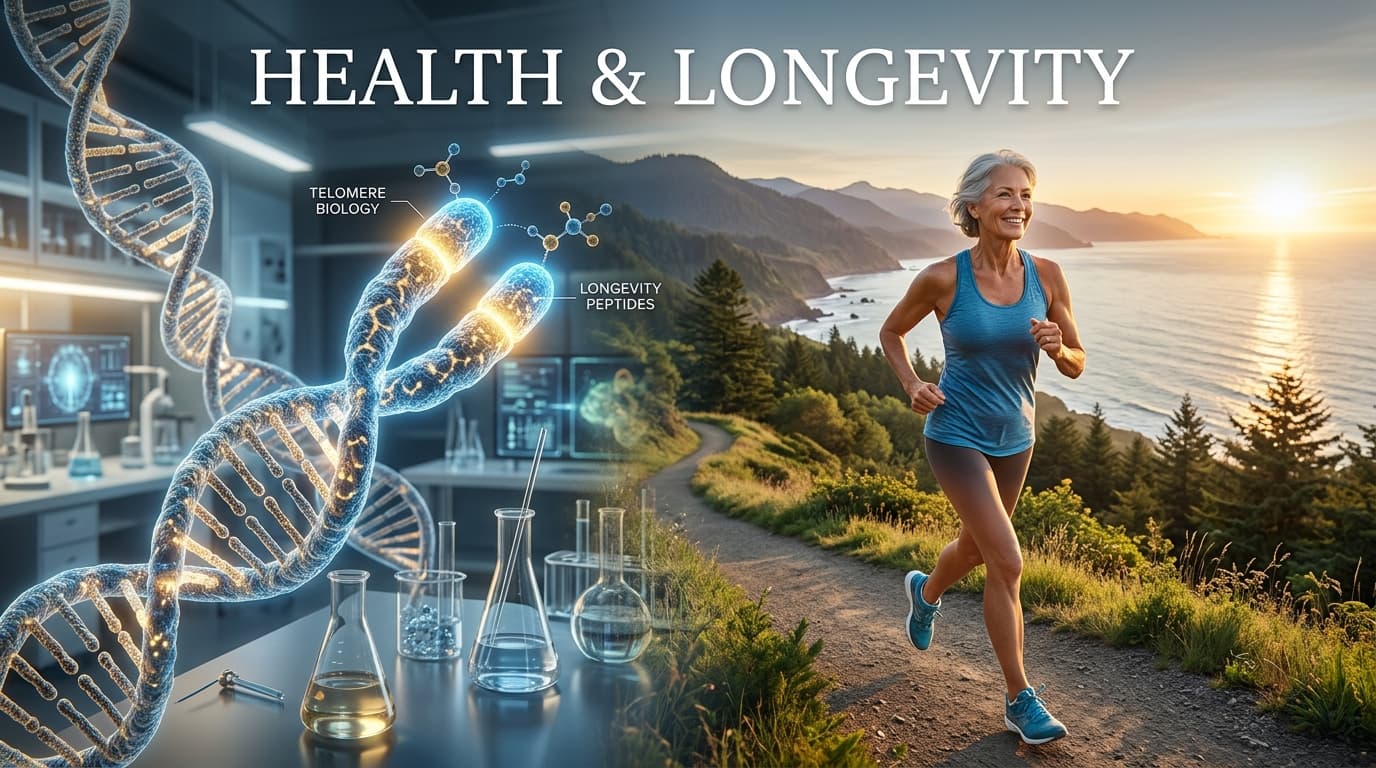
As fitness professionals, we're constantly seeking ways to optimize our clients' health and performance. While traditional approaches focus on exercise and nutrition, a growing body of research suggests that understanding biological aging is crucial for unlocking human potential. In this article, we'll explore the fascinating world of telomere biology, longevity peptides, and emerging geroscience research, shedding light on the latest discoveries and their implications for health and longevity.
The Biology of Aging: Telomeres and Cellular Senescence
Aging is a complex, multifaceted process that affects every aspect of human biology. At its core, aging is driven by the gradual deterioration of cellular function, leading to a decline in physiological performance and an increased risk of age-related diseases. One key factor in this process is the shortening of telomeres, the protective caps on the ends of chromosomes.
Telomeres play a crucial role in maintaining genome stability, and their length is considered a biomarker of biological aging. As we age, our telomeres naturally shorten due to the end-replication problem, oxidative stress, and other forms of cellular damage. When telomeres become too short, cells enter a state of senescence or undergo programmed cell death, contributing to the aging process.
Recent research has highlighted the importance of telomere length in predicting health outcomes. A study published in the journal Aging Cell found that individuals with shorter telomeres were more likely to experience age-related diseases, such as cardiovascular disease and dementia. Conversely, maintaining longer telomeres has been linked to improved healthspan and increased longevity.
Longevity Peptides: Emerging Research and Potential Applications
In recent years, researchers have turned their attention to the potential of longevity peptides in promoting healthy aging. These short chains of amino acids have been shown to influence various cellular processes, including telomere maintenance, DNA repair, and cellular senescence.
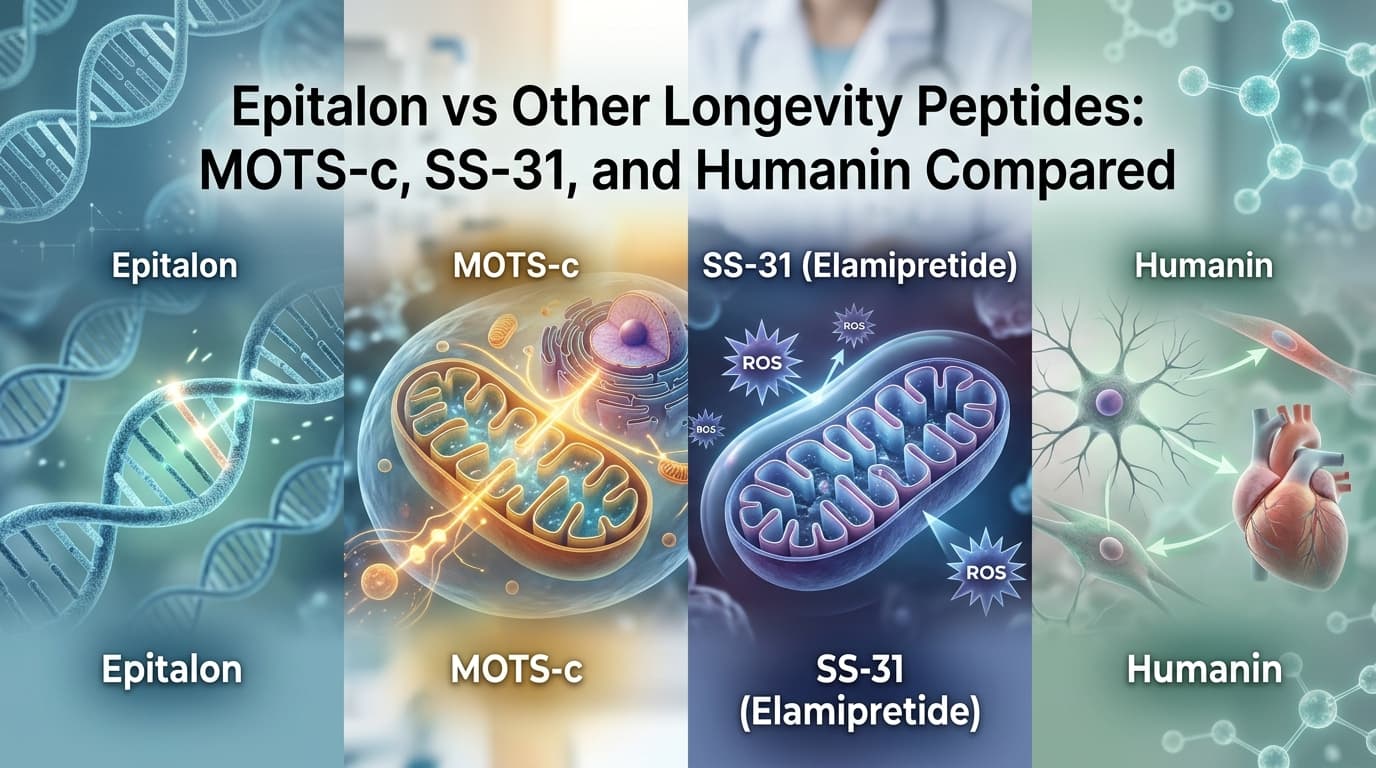
One of the most promising longevity peptides is Epitalon, a synthetic tetrapeptide that has been shown to lengthen telomeres and improve cellular function. Studies have demonstrated that Epitalon can increase telomerase activity, the enzyme responsible for maintaining telomere length, and promote the expression of genes involved in cellular protection and stress resistance.
Other longevity peptides, such as BPC-157 and LL-37, have also garnered attention for their potential anti-aging effects. BPC-157, a peptide derived from human gastric juice, has been shown to promote tissue repair and regeneration, while LL-37, a cathelicidin peptide, has been found to possess antimicrobial and anti-inflammatory properties.
While the research is still in its early stages, the potential applications of longevity peptides are vast. From promoting healthy aging to enhancing recovery and performance, these peptides may offer a new frontier in the pursuit of optimal health and longevity.
Sleep, Recovery, and the Role of Geroscience
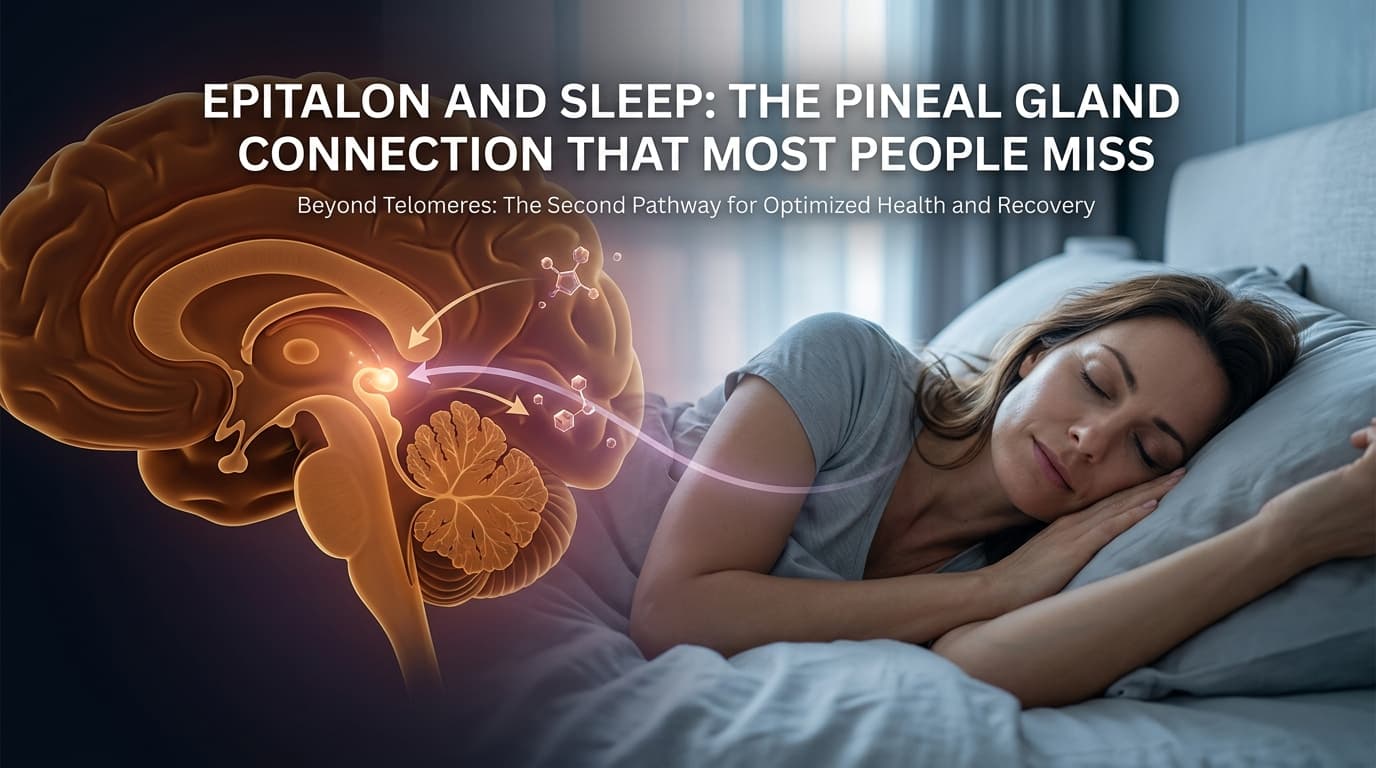
In addition to telomere biology and longevity peptides, another critical aspect of health and longevity is sleep and recovery. As we age, our ability to recover from physical stress and adapt to changing environments is impaired, contributing to a decline in physiological function.
Geroscience, an interdisciplinary field that seeks to understand the biology of aging, has shed new light on the importance of sleep and recovery in promoting healthy aging. Research has shown that sleep disturbances are a hallmark of aging, and that improving sleep quality can have a positive impact on healthspan.
Studies have also highlighted the role of recovery processes, such as autophagy and mitophagy, in maintaining cellular homeostasis and promoting longevity. Autophagy, the process by which cells recycle damaged or dysfunctional components, is essential for maintaining cellular function and preventing the accumulation of toxic waste.
By understanding the complex interplay between sleep, recovery, and aging, we can develop targeted interventions to promote healthy aging and improve overall health and well-being.
Implications for Fitness Professionals
As fitness professionals, we are uniquely positioned to apply the latest research on biological aging, telomere biology, and longevity peptides to our work with clients. By understanding the underlying biology of aging, we can develop more effective training programs and provide personalized guidance on nutrition, recovery, and stress management.
For example, incorporating exercises that promote telomere length, such as high-intensity interval training (HIIT), into a client's training program may help to improve their overall health and resilience. Additionally, providing guidance on sleep hygiene, stress management, and recovery techniques, such as foam rolling and self-myofascial release, can help clients optimize their recovery and promote healthy aging.
As our understanding of the biology of aging continues to evolve, we can expect to see new and innovative approaches to promoting health and longevity emerge. By staying at the forefront of this research, fitness professionals can provide their clients with the most effective and cutting-edge guidance, helping them to achieve optimal health and performance.
Conclusion
The study of biological aging, telomere biology, and longevity peptides is a rapidly evolving field, with
EvoFit Team
AI-powered fitness science, nutrition research, and coaching strategies for the modern fitness professional.